

EACOP Electrical Trainees Acquire Practical Experience at Karuma Hydropower Plant


Kiryandongo— Electrical engineering students from the Uganda Petroleum Institute Kigumba (UPIK) in Kiryandongo District have gained hands-on experience in electricity generation after a study tour to the Karuma Hydropower Plant, organized under the East African Crude Oil Pipeline (EACOP) project.
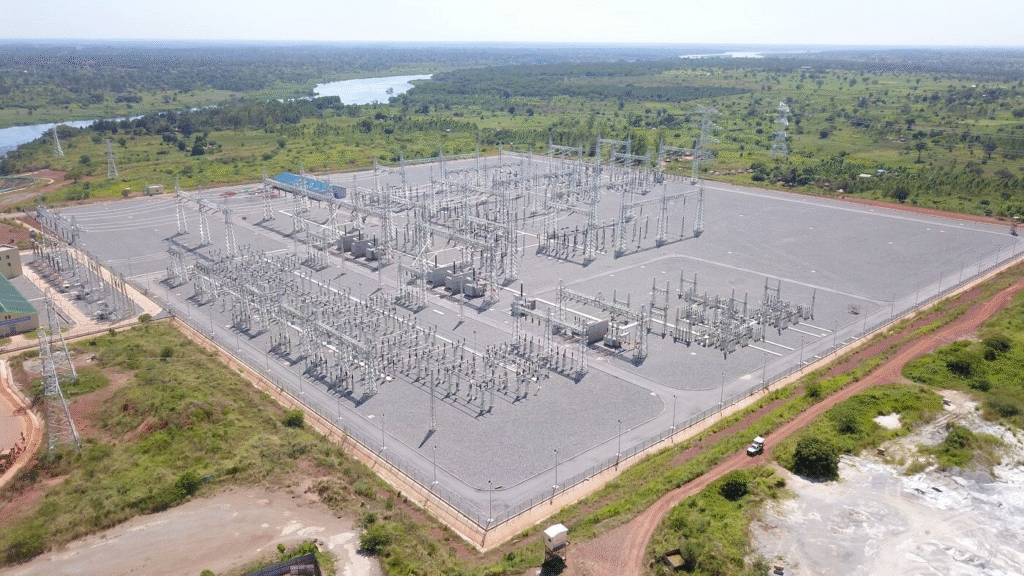
The tour, held on Friday, August 8, 2025, was part of the EACOP Academy’s training program aimed at deepening participants’ understanding of hydropower generation—an essential backbone for Uganda’s oil and gas industry.
During the visit, the trainees explored all key sections of the Karuma facility, including the power station, underground machinery, control room, and dam. This gave them direct exposure to how hydroelectric power is produced and integrated into the national grid.
Robert Benjamin Kyomugasi, one of the students, said the program was already making an impact by bridging the gap between classroom theory and real-world application.
“I’ve learned about control systems, power distribution, how electricity flows from Karuma to the UEGCL line, and the protection systems. This kind of training is extremely valuable,” he noted.
For Immaculate Kesande—the only female electrician in the group—the experience was both empowering and inspiring.
“This tour provided me with practical knowledge I can apply in the field. I also want to encourage more women to join electrical engineering. We are equally capable and can compete with our male colleagues,” she said.
Tanzanian trainee Ibrahim Abdukarim, on his first-ever dam visit, said the exercise would greatly improve his professional performance. Similarly, fellow trainee Karim Abuu described the study tour as a rich learning opportunity, from control room operations to machinery handling and electricity distribution.
EACOP Academy instructor Wiidi Antoro highlighted the importance of such exposure for students preparing to work on large-scale energy projects.
“Our trainees interacted with major machinery and learned how it operates. This is critical because the EACOP pipeline will rely on power from the national grid and requires heating to move crude oil,” he explained.
Peter Mukasa, an electrical engineer at Karuma, stressed the value of mentorship in shaping future engineers.
“We host students from various institutions to introduce them to our electrical systems. Knowledge transfer is vital in building the next generation of professionals,” he remarked.
As one of Uganda’s largest electricity generation facilities, the Karuma Hydropower Plant continues to play a central role in powering the nation—and initiatives like these are helping prepare skilled professionals for the region’s growing energy sector.