
President Museveni Calls for Equitable Cattle Compensation in Teso

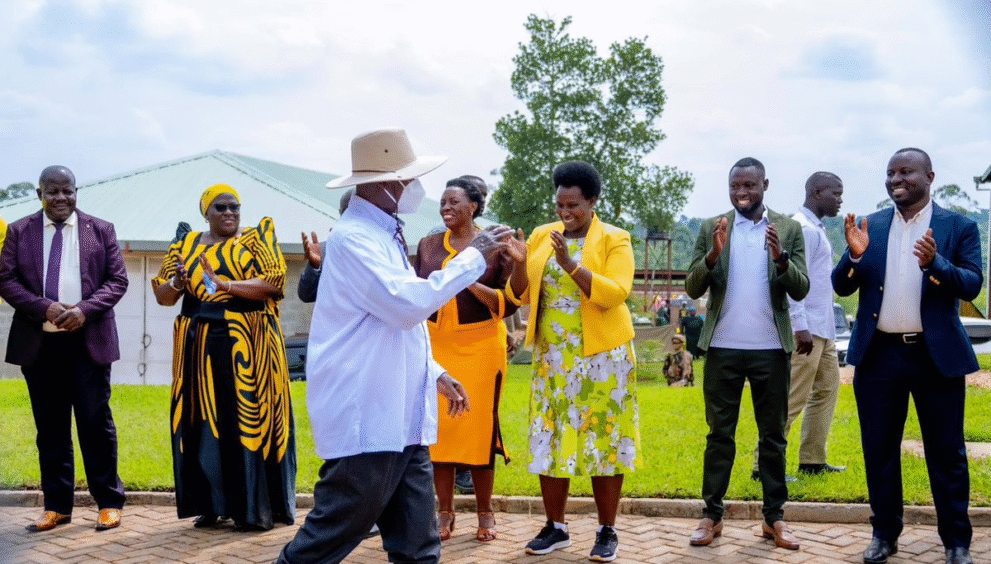
President Yoweri Kaguta Museveni has emphasized that the ongoing cattle compensation program in the Teso sub-region should benefit all households rather than concentrating resources on a small group of claimants.

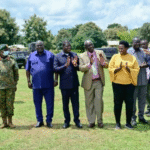
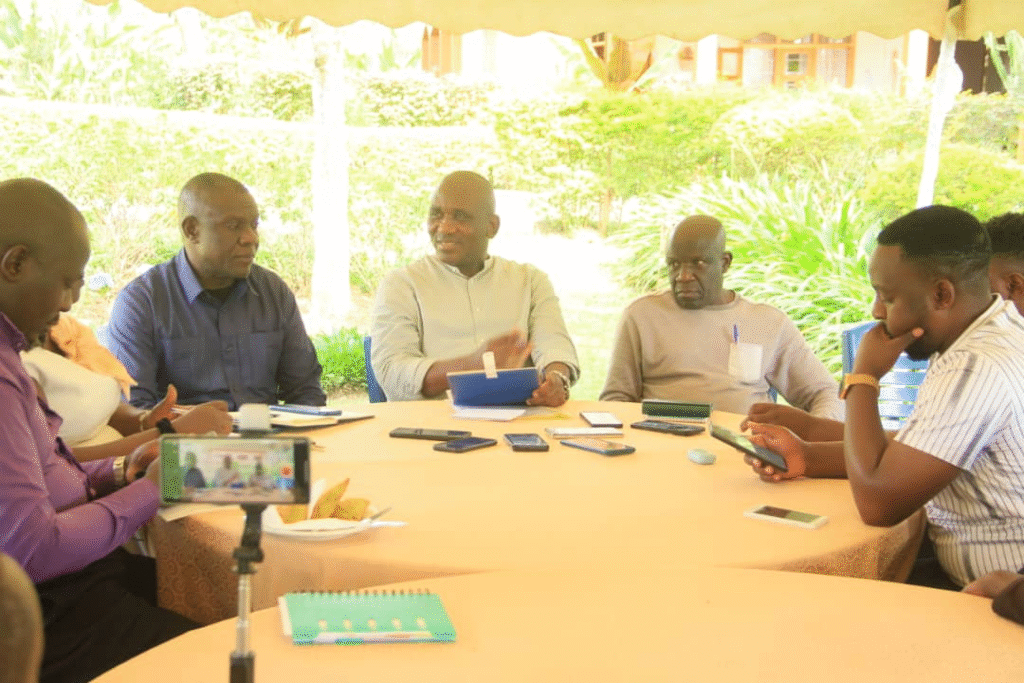
Speaking on Friday, August 15, at Soroti University during a meeting with compensation claimants, local leaders, and other stakeholders, the president explained that the cattle losses in Teso were a result of past wars. He noted that what is often described as “compensation” should instead be seen as rehabilitation for the affected communities.
Museveni observed that in earlier phases of the program, much of the money ended up in the hands of lawyers, leaving households with little benefit. To address this, the government has since revised the system so that payments are made directly to beneficiaries.
The president proposed that the remaining 169 billion shillings be distributed fairly among households in Teso. He illustrated that if one cow is valued at one million shillings, the fund could cover 169,000 cows. With about 69,000 households yet to benefit, each homestead could receive the equivalent of two to three cows, while the 28,000 households already compensated would not be included. Depending on phased disbursement, households could eventually receive up to five cows each.
To ensure fairness, Museveni recommended setting up a committee composed of elders, youth, and women leaders to oversee allocation and harmonize the process.
Vice President Jessica Alupo, who hails from the region, thanked President Museveni for visiting Teso to address the long-running cattle compensation issue. She praised him for ensuring lasting peace in the region, crediting his leadership of the Uganda People’s Defence Forces (UPDF).
Deputy Attorney General Jackson Kafuuzi reported that the compensation framework has been restructured to prioritize direct payments to verified claimants, moving away from court-mediated processes. Verification now begins at the village level through LC1 and LC2 committees, before advancing to district registrars, deliberately avoiding centralized vetting in Kampala.

He explained that claimants are issued data cards by the Ministry of Justice and Constitutional Affairs to capture their bio-data, which is verified step by step from local to district level. The system was first rolled out in 2016/2017, verifying thousands of claims, including 16,946 across different sub-regions.
Since launching the Cattle Compensation Initiative in March 2022 with a budget of 200 billion shillings, the government has disbursed 506.7 billion shillings. In the latest round alone, 28,281 payments were made across several sub-regions worth 128.3 billion shillings, including 12,389 payments in Lango valued at 48.7 billion shillings.
Despite this progress, 24,509 verified claimants remain unpaid, with outstanding claims amounting to 506.69 billion shillings. These include 5,570 claimants in northern Uganda (191.5 billion), 8,284 in the east (119.26 billion), and 10,708 in central Uganda (165.9 billion). Delays have been linked to errors such as incorrect or duplicate bank details, closed accounts, and mismatched identification.
Bosco Okiror, MP for Usuk Constituency in Katakwi District, called for greater transparency in the disbursement process and resolution of pending legal disputes. He cited three ongoing court cases, including one filed by former MP Elijah Okupa, involving claims estimated at $207,000 annually, mainly from Teso.
Okiror suggested that the government could resolve disputes faster through negotiations, with large claims being settled in phases. He also urged the government to recognize that compensation should go beyond cattle, covering loss of life and property destroyed during the conflicts, for a more comprehensive settlement.