
Uganda Fast-Tracks Nuclear Energy Drive with South Korea to Power Vision 2040

KAMPALA – Uganda is intensifying efforts to tap into nuclear energy as a central driver of its plan to produce more than 50,000 megawatts (MW) of electricity by 2040.
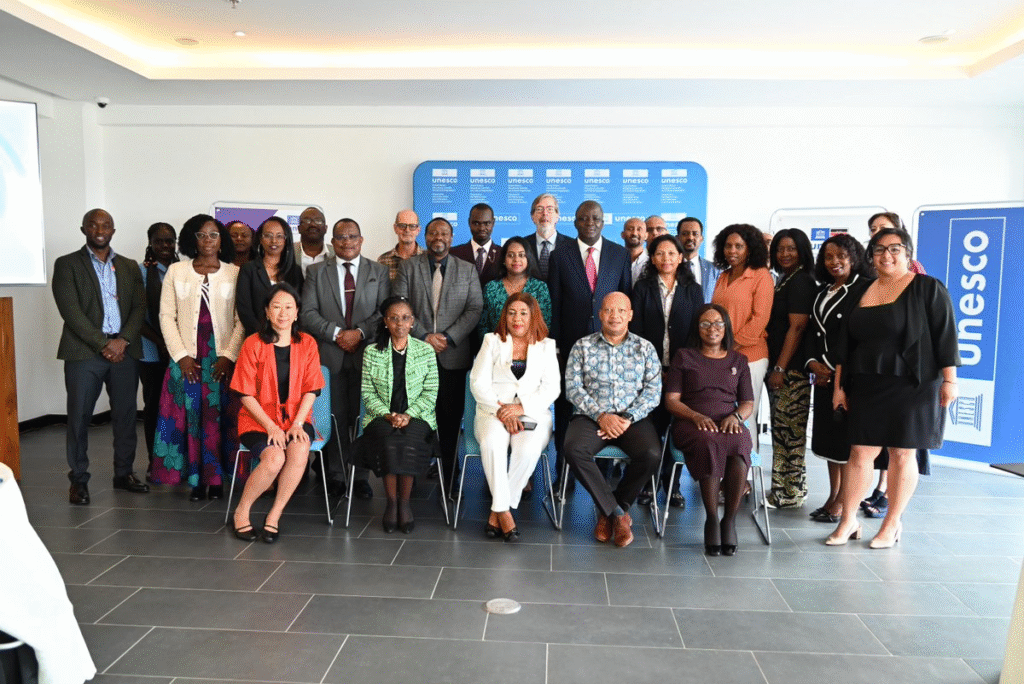
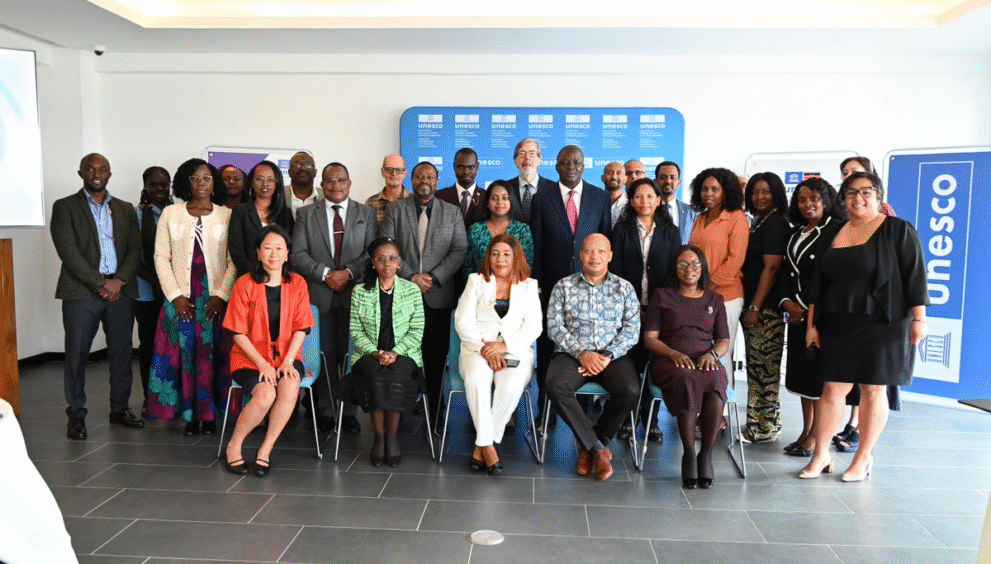
At a recent workshop co-hosted by the South Korean Embassy and Ugandan government officials, the two nations reaffirmed their partnership to advance Uganda’s nuclear energy roadmap.
South Korean Ambassador to Uganda Park Sung-Soo praised the collaboration, noting that Korea’s technological expertise would play a pivotal role in supporting Uganda’s ambitions.
“This project is both timely and strategic. It will not only deepen bilateral ties but also accelerate Uganda’s access to world-class nuclear technology,” Park said during the event themed Korea–Uganda Nuclear Energy Partnership for Tomorrow.
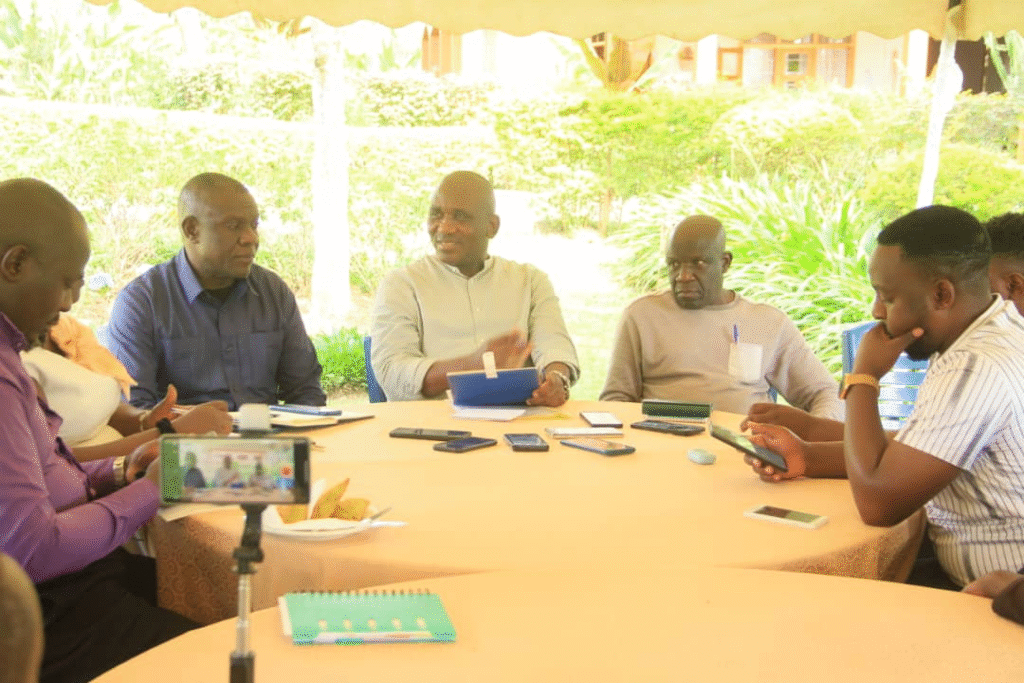
The meeting, held last week at the Four Points by Sheraton Hotel in Kampala, drew key players from government, academia, and industry to review milestones in Uganda’s nuclear programme.
State Minister for Energy, Okaasai Opolot, hailed the rapid progress achieved so far.
“We are advancing faster than initially expected. Even sceptics can now see the tangible results of this journey,” he remarked.
According to government projections, Uganda expects to commission its first nuclear power station by 2033, with output of at least 2,080 MW. By 2040, the target is to expand nuclear capacity to 24,000 MW as part of the country’s broader 52,480 MW energy mix.
Denis Tusiime, Senior Nuclear Officer at the Ministry of Energy, confirmed that six sites have already been identified for potential plants. Buyende District leads the list, earmarked for an 8,400 MW facility under a 26-month feasibility study launched in May 2025 in partnership with South Korea’s Korea Hydro & Nuclear Power (KHNP).
Other potential sites include Nakasongola (7,200 MW), Kiruhura (4,800 MW), Lamwo (4,000 MW), and smaller installations in Sembabule and Buwhezu districts.
Tusiime further underscored nuclear energy’s broader role in national development.
“Beyond power generation, nuclear offers transformative benefits in healthcare, agriculture, and industry—from cancer treatment to diagnostics—making it an indispensable tool for Uganda’s growth,” he said.
Kevin Mukyala, Uganda’s Radiation Protection Officer at the Atomic Energy Council, stressed the importance of prioritising safety.
“We are strengthening our legal and regulatory frameworks to reflect international standards, incorporating lessons from global experiences such as Fukushima,” he explained.
The partnership with South Korea will focus on critical areas such as workforce training, emergency preparedness, licensing, and environmental safeguards.
The initiative also aligns with Uganda’s Vision 2040, which seeks to transition the country into a middle-income economy, with nuclear energy positioned as a cornerstone of long-term sustainability and industrialisation.