
Great Lakes Leaders Adopt Renewed Action Plan to Strengthen Peace and Security in the DRC

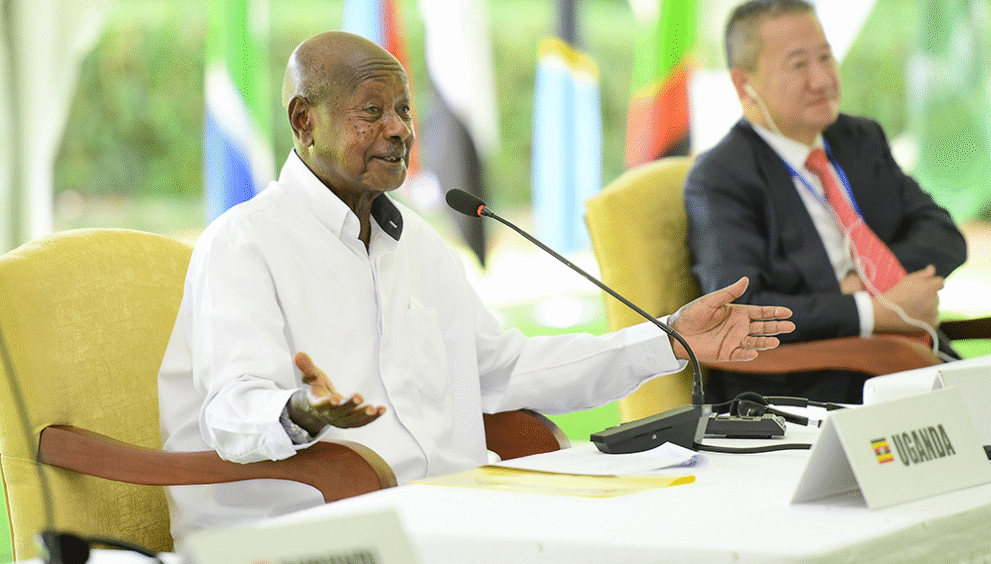
Leaders from across the Great Lakes region have renewed their dedication to promoting peace and security in the Democratic Republic of the Congo (DRC) and neighboring countries during a high-level summit held in Entebbe, Uganda.
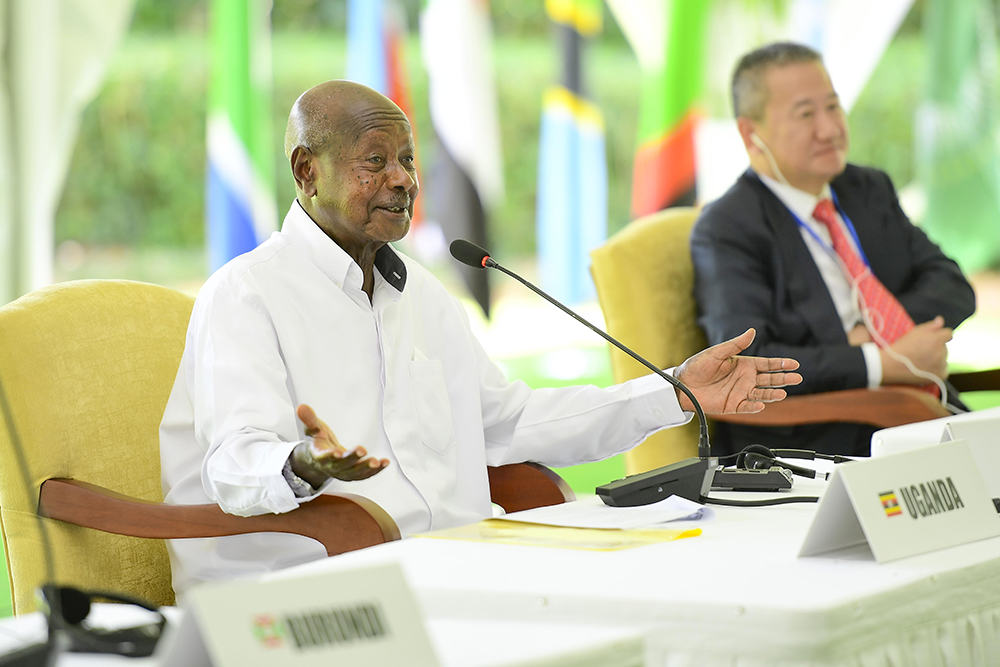
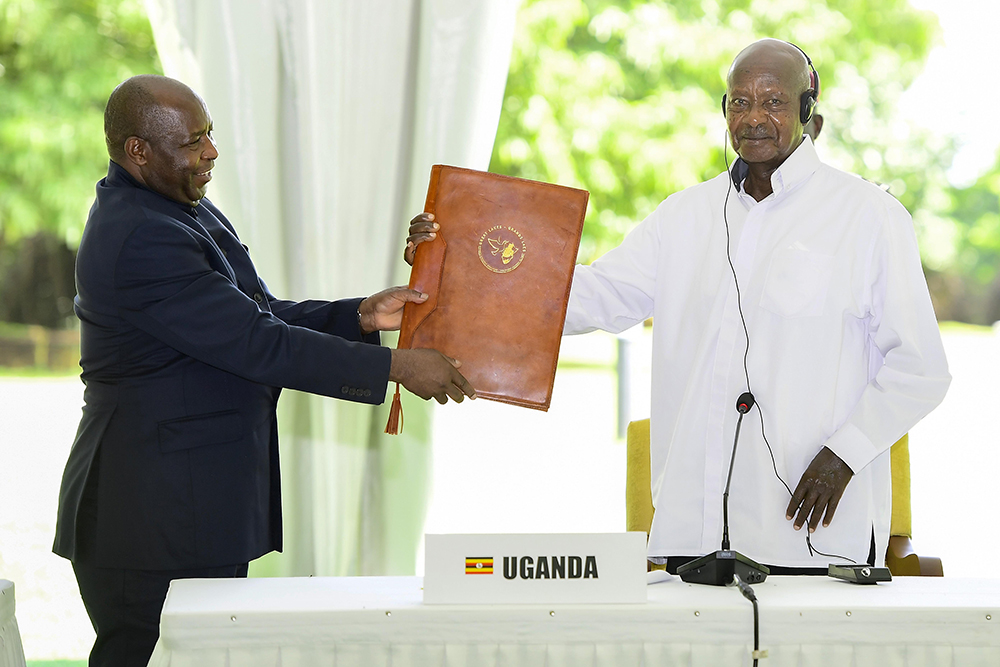
The 12th High-Level Meeting of the Regional Oversight Mechanism (ROM) of the Peace, Security, and Cooperation (PSC) Framework was chaired by President Yoweri Kaguta Museveni and brought together heads of state, senior government officials, and representatives from key guarantor institutions, including the African Union (AU), the United Nations (UN), and the International Conference on the Great Lakes Region (ICGLR).
Revitalising the PSC Framework
The summit’s major achievement was the adoption of a revitalized Action Plan for 2025–2027, aimed at reinvigorating the PSC Framework first signed in 2013 to address the root causes of persistent conflict in eastern DRC and to promote lasting regional stability.
Urgent Call to Disarm Armed Groups
In their final communiqué, leaders expressed serious concern over the worsening security and humanitarian situation in eastern DRC, highlighting the mass displacement of civilians and an alarming rise in conflict-related sexual violence.
They strongly condemned the territorial expansion and establishment of parallel administrations by the M23/Alliance Fleuve Congo (AFC) rebel group, reportedly backed by foreign elements. The summit called for immediate implementation of UN Security Council Resolution 2773 and demanded the dismantling of all foreign armed groups in the region, including the FDLR, ADF, RED Tabara, and CODECO.
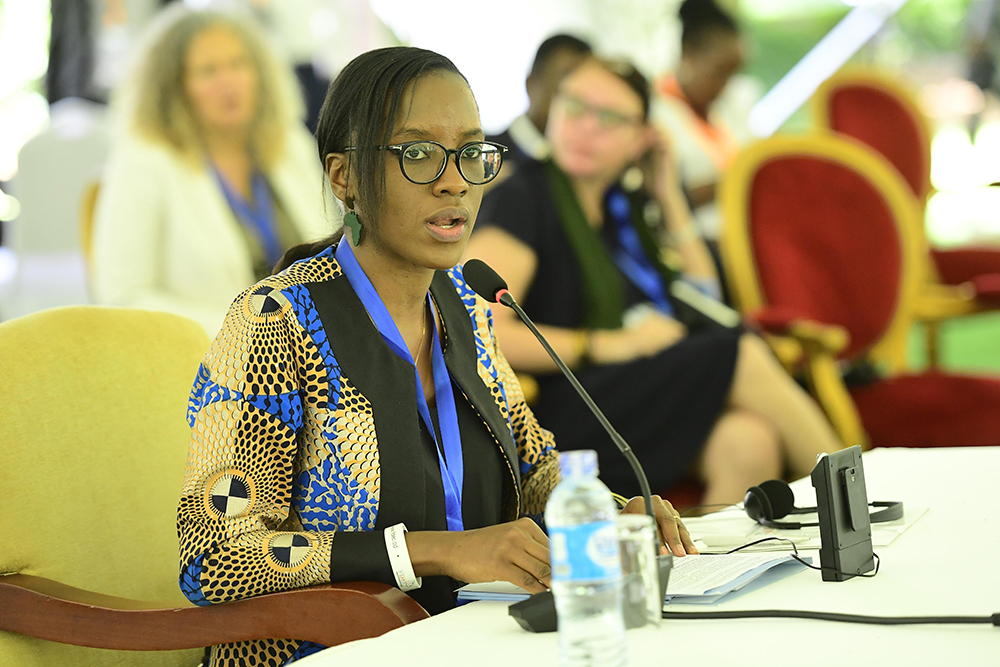
The Contact and Coordination Group (CCG) was tasked with stepping up engagement efforts to persuade these groups to disarm voluntarily and return home.
Support for Regional Peace and Security
The summit expressed solidarity with Sudan, endorsing its nationally led peace roadmap and condemning the actions of the Rapid Support Forces (RSF), including the siege of El Fasher and drone attacks on Port Sudan.
Leaders also praised South Sudan’s progress in implementing the Revitalized Peace Agreement and welcomed Uganda’s contributions to regional peace—including joint military operations against the ADF in DRC and various regional infrastructure initiatives aligned with the PSC Framework.
The meeting also commended the appointment of women to the EAC-SADC Panel of Facilitators, underscoring the importance of inclusive peacebuilding.
Enhancing Accountability and Inclusion
A strong emphasis was placed on strengthening accountability mechanisms, including regular progress reporting and the introduction of a peer-review system. The leaders agreed to involve women, youth, and civil society in monitoring the implementation of the Framework and approved the creation of a regional women mediators group to support peace negotiations.
Another major concern was the illicit exploitation of natural resources, a known driver of regional instability. The leaders called for improved transparency and responsible resource governance, in line with ICGLR protocols.
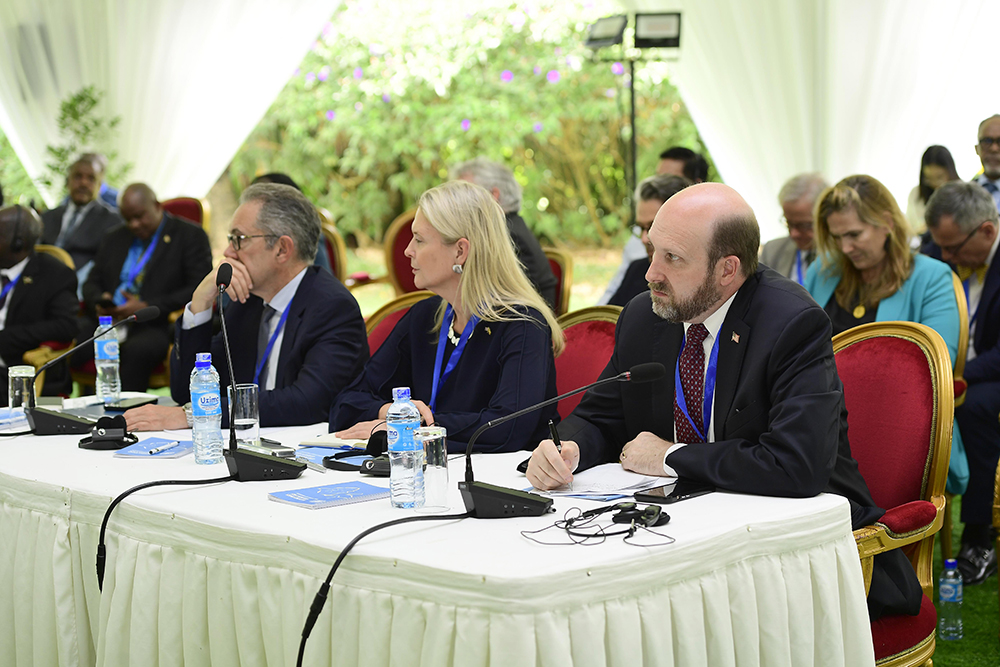
Looking Ahead
The summit concluded with a commitment to review progress in 2026 and praised President Évariste Ndayishimiye of Burundi for his service as outgoing ROM Chair. Appreciation was also extended to President Museveni and the people of Uganda for their hospitality and leadership in hosting the meeting.
Uganda was encouraged to engage regional partners on the nomination of the next ROM Chair and venue for the 13th High-Level Meeting.
The summit closed with a united message: lasting peace is essential for sustainable development and prosperity across the Great Lakes region.